Spend long enough in Bali and you stop telling the time by the clock and start telling it by the light. The tropical day has a dramatic arc — from cool clarity to punishing brightness to a long golden fade — and the island's whole rhythm, human and natural, bends to it. Reading that arc is the first step to living here rather than merely visiting.
The clean morning
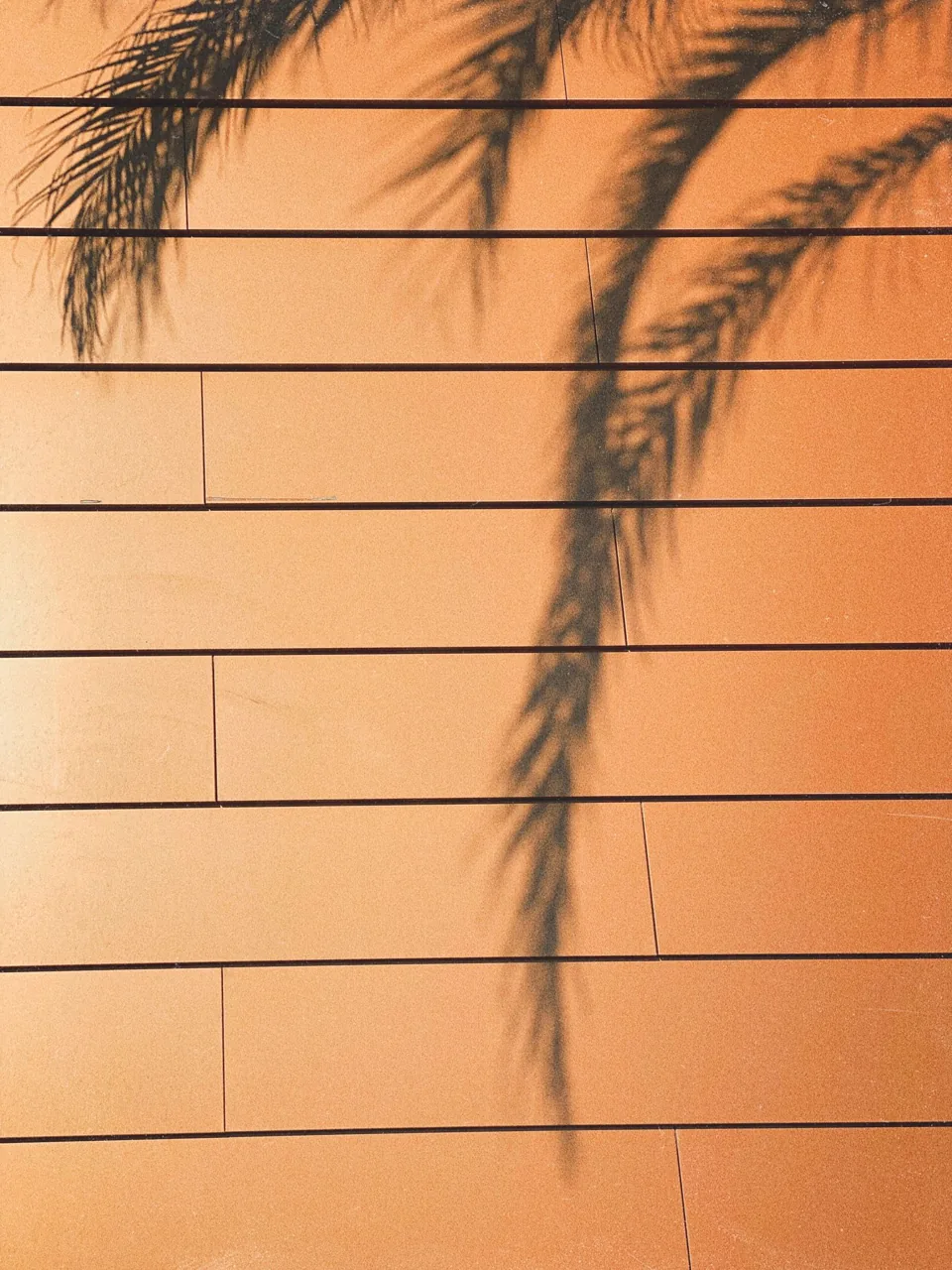
Early light in Bali is low and crisp, throwing the long shadows of palms across walls and paths. It is the island at its most photogenic and its most comfortable, and it is when the place does its real work — markets, offerings, the school run, the surf. To be up and out in it is to see Bali as it actually lives.
The white noon
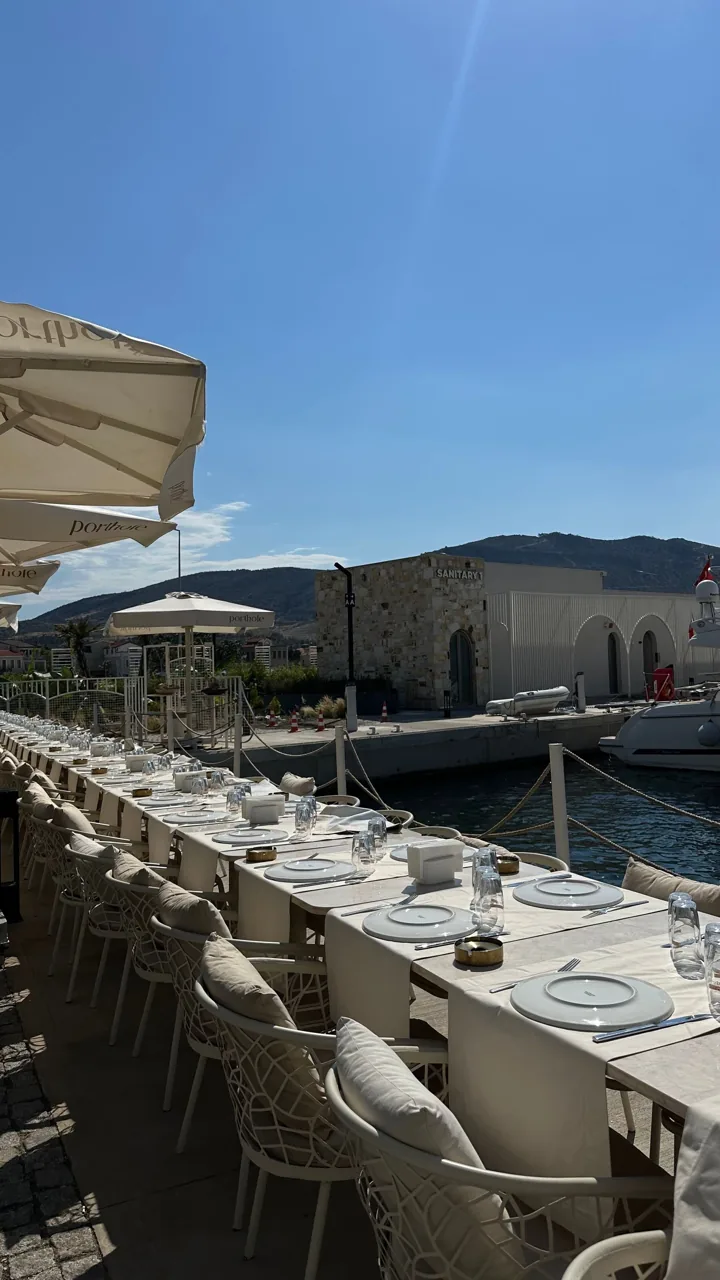
By late morning the sun is nearly overhead and the light goes hard and shadowless, flattening everything to a white glare. This is the island's siesta, whether it admits it or not: the hours to be in the pool, under a fan, or behind a shutter. Fighting the noon light is a beginner's mistake; the locals disappeared indoors an hour ago.
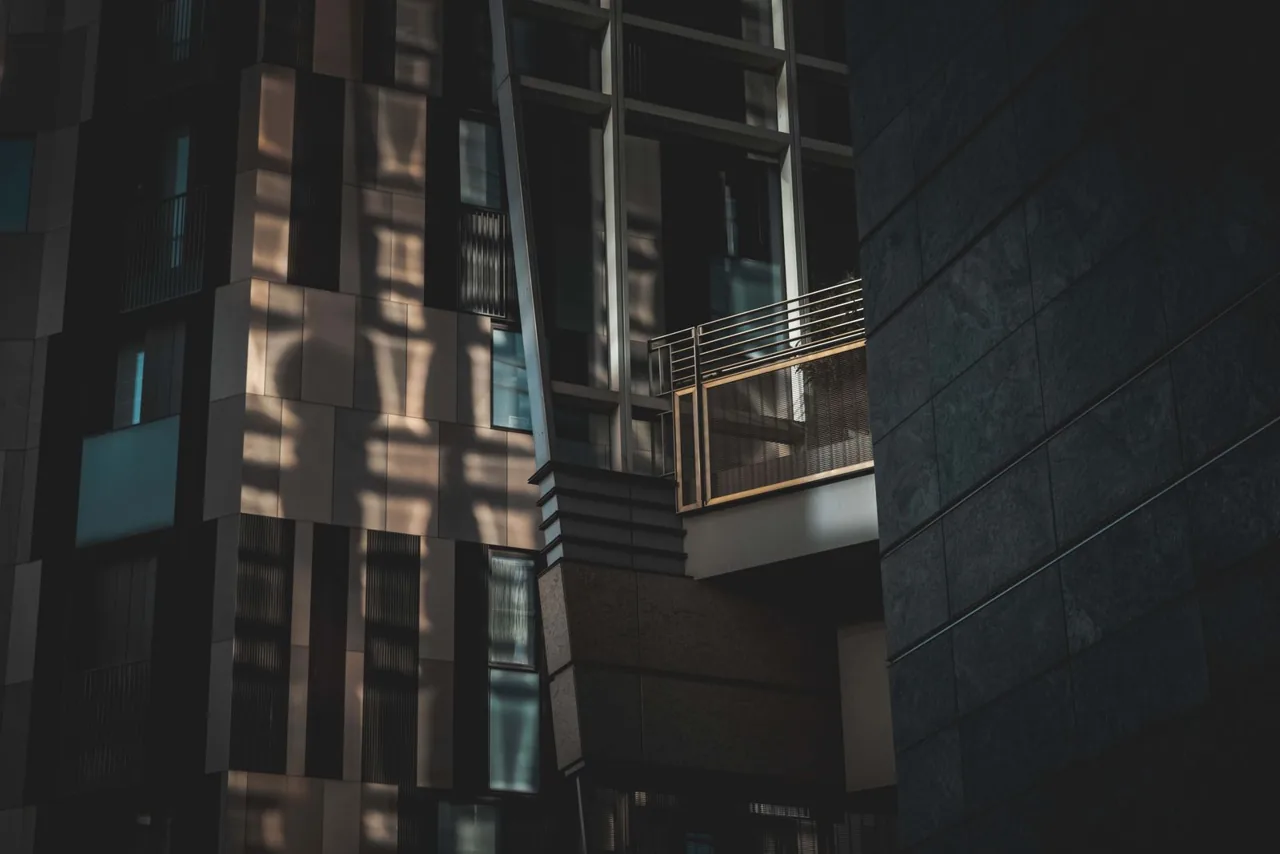
In the tropics, the shadow is not the absence of the day. It is where the day is lived.
The long gold
Then, from about four, the angle drops and the whole island exhales. Shadows lengthen, colours warm, and everyone drifts back outside. This is Bali's golden stretch, running all the way to a theatrical sunset. Structure your days around this arc — busy in the gold, still in the white — and you will feel, quickly, as though you have learned the island's secret grammar.