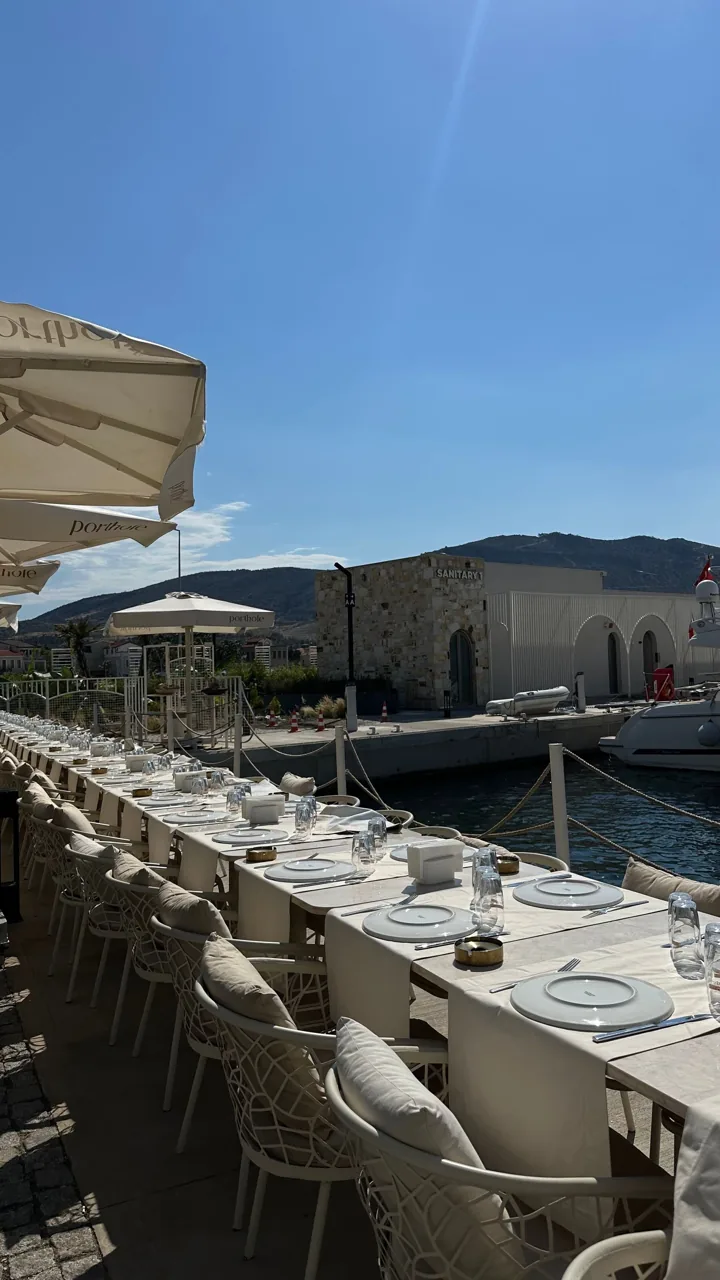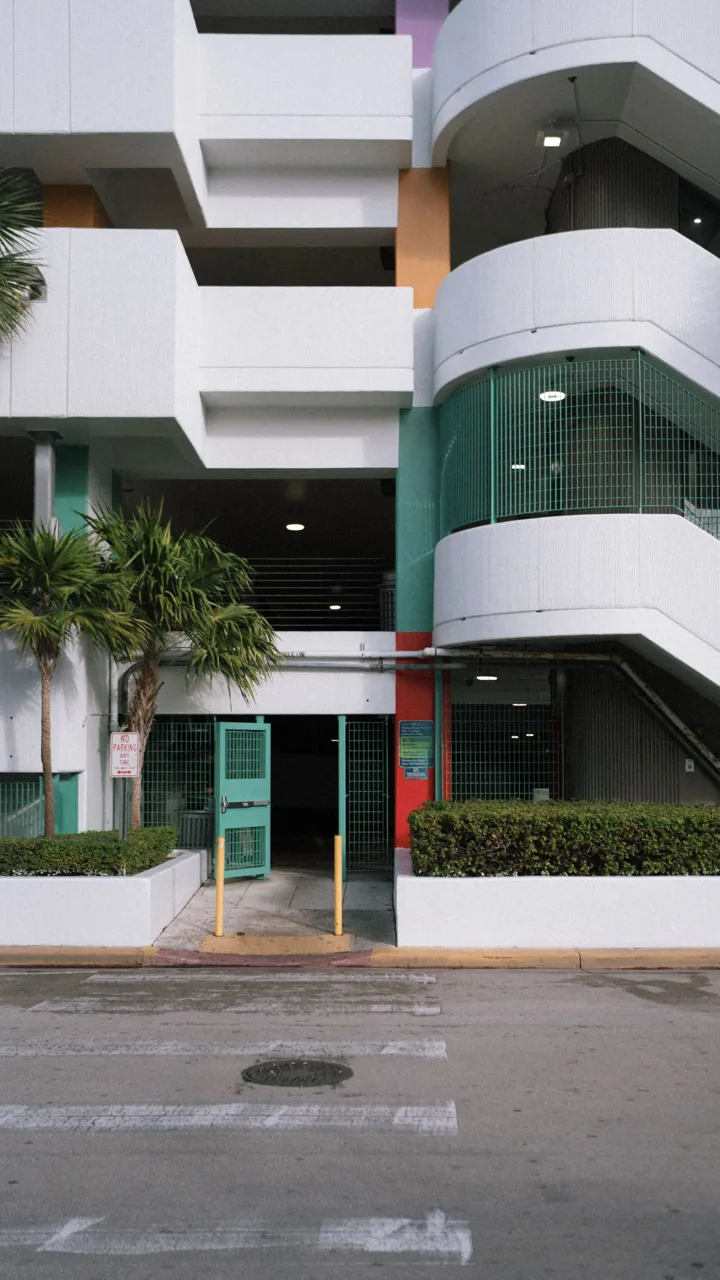
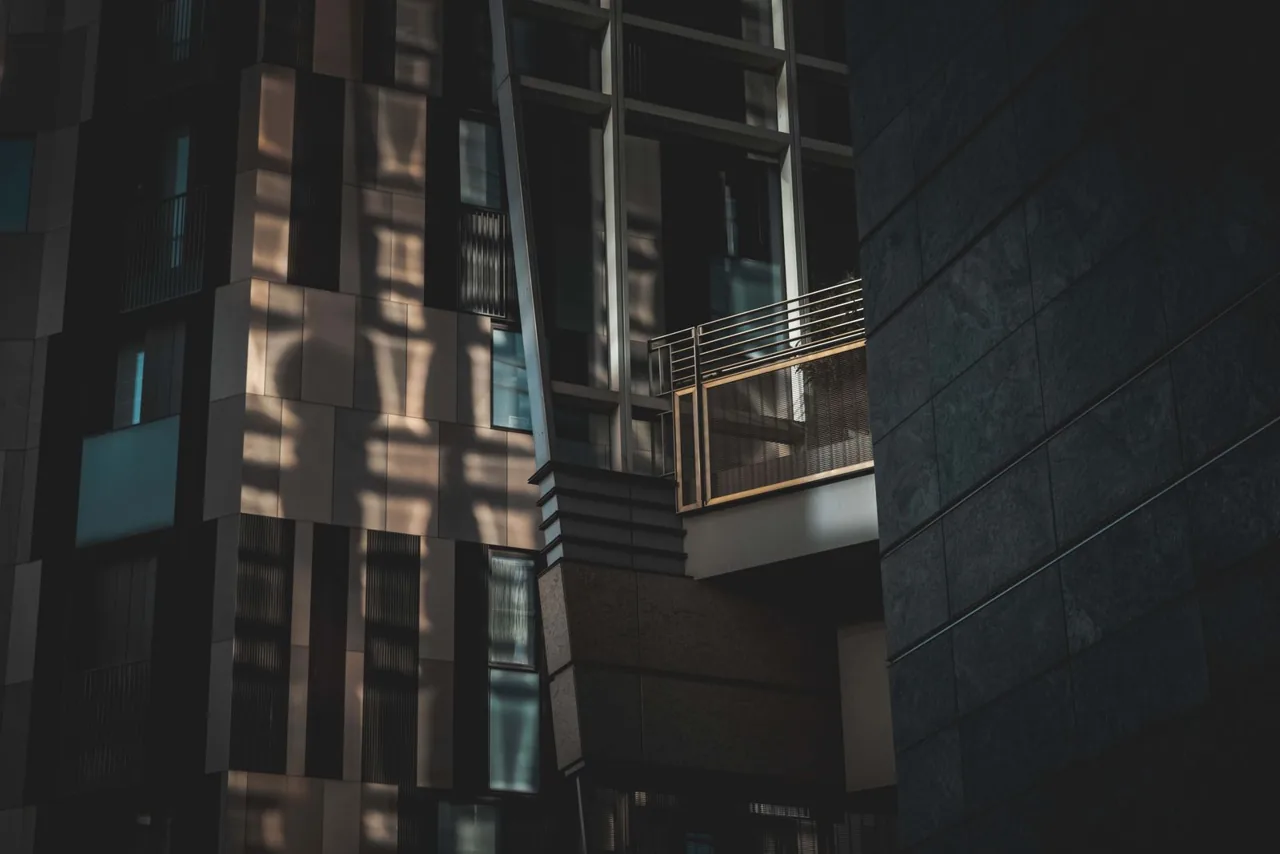
The instinct, faced with the tropics, is to answer all that colour with more of it — fuchsia cushions, turquoise tiles, a parade of pattern. The island's most sophisticated interiors do the opposite. They go monochrome: black, white, charcoal and stone, a deliberate hush that lets the riot of green outside do all the shouting. It is a counterintuitive move, and a devastatingly elegant one.
Why restraint wins
A monochrome room in the tropics is never really colourless, because the garden pours colour through every opening. Frame that view in a quiet interior and the greens and skies read as vivid as stained glass. Fill the room with competing colour instead, and everything fights; the view loses, and so does the room. Restraint inside is generosity to the landscape outside.
Paint the room loud and the jungle goes quiet. Paint it quiet and the jungle sings.
Texture does the work
Strip out colour and texture has to carry the interest, which is exactly why monochrome tropical rooms feel so rich. Rough volcanic stone against smooth plaster, matte black timber beside pale linen, a polished concrete floor underfoot — the palette may be narrow but the surfaces are endlessly varied. The eye stays engaged without a single bright hue.
A palette that ages well
There is a practical grace to it, too. Trends in colour date fast; black, white and stone do not. A monochrome tropical home looks as composed in a decade as on the day it was finished, and it flatters everything placed in it — including, always, the view. In a landscape this loud, the quietest room is usually the most confident one.